
How the Army is driving enterprise training across five warfighting domains and three dimensions
An enterprise change in some corps-level training moves higher control (HICON) from Fort Leavenworth to the service component command.
An enterprise change in some corps-level training moves higher control (HICON) from Fort Leavenworth to the service component command.

TRADOC Commander Gen. Paul Funk wants to include the latest data from Ukraine conflict. "Why would we not take advantage of that just for some timeline?" he said.


Cybersecurity skills must evolve in near-real time as Zero Day threats continue and AI provides new challenges.
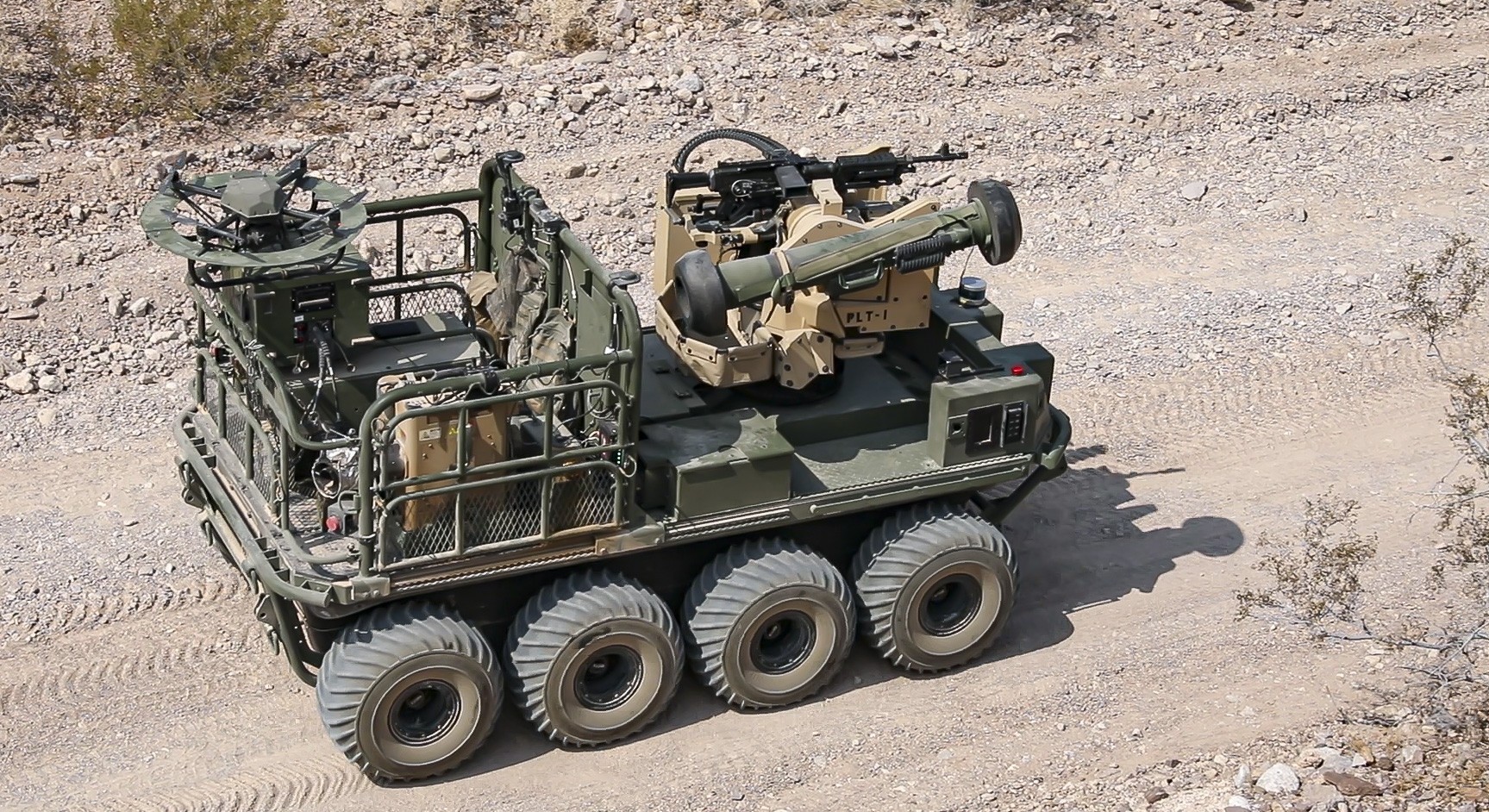
Phase Zero isn't "peace" any more in Army's capstone doctrine. The new model "recognizes that you're continuously conducting operations and there is no peace. It's just competition," says Rich Creed, head of the Army's Combined Arms Doctrine Directorate.

Our adversaries are improving military training and education, but they may not need a Western-style NCO corps to wage the centralized, long-range warfare they prefer.
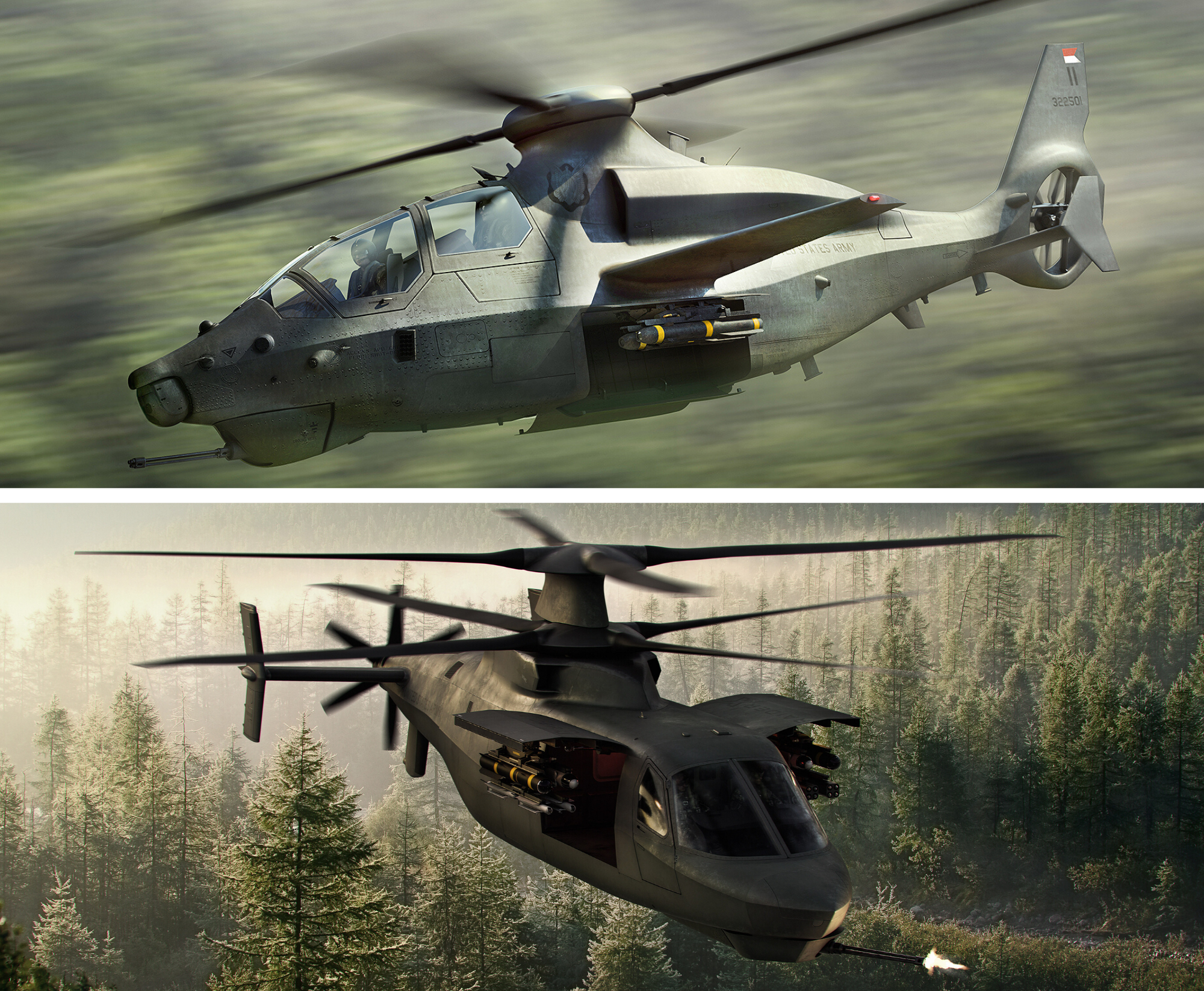
How do you get 35 new technologies into combat units without overwhelming them? Army Futures Command, Forces Command, Materiel Command, and other HQs are trying to figure that out.

"Gen. Murray has talked about the view of Project Convergence as our 'Louisiana Maneuvers,' if you will, for the 21st century," says Col. Charles Lombardo.
Michigan’s defense ecosystem and expertise makes it a special asset for production.

Training bases are now taking new recruits after a two-week pause. “We have enough test kits” for all of them and their instructors, Gen. Paul Funk said.
There are enough young privates already in the pipeline, Gen. Paul Funk said, to keep Army units fully manned for months to come.
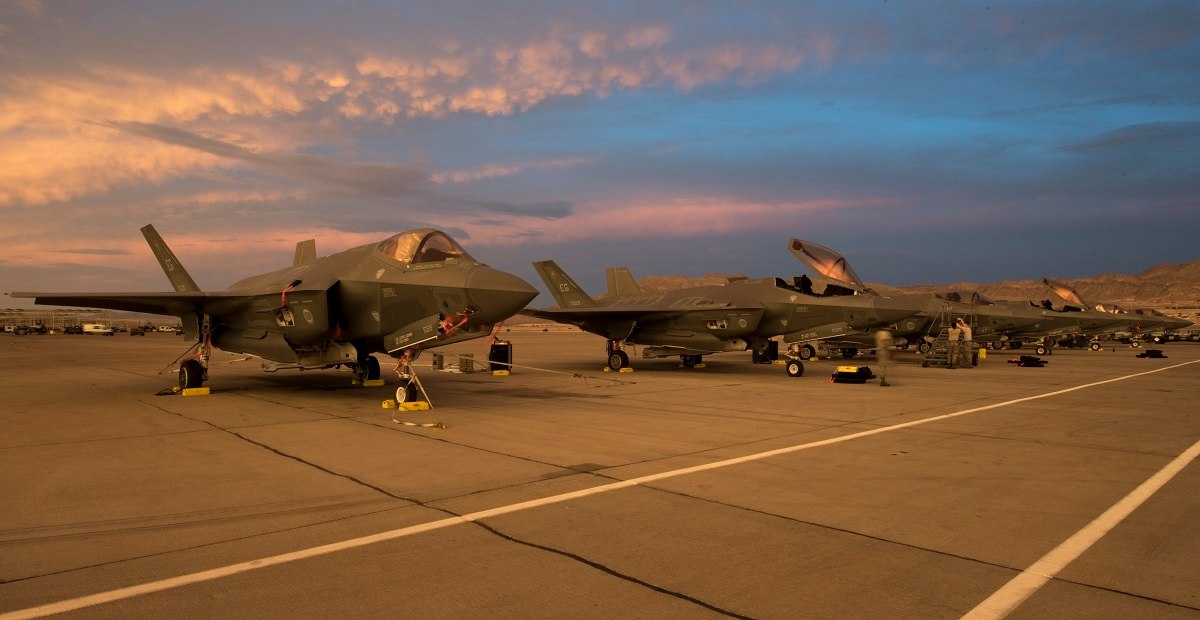
Dozens of generals — and one admiral — will convene at Nellis Air Force Base next week.

Gone are the days of a stately, deliberate, laborious acquisition process in which the Army would plan out the future in detail before going to industry. "We’d almost always guess wrong," said Maj. Gen. David Bassett. “Eventually we’d deliver yesterday’s technology tomorrow.”


Consolidate network monitoring, performance management, and fault isolation into a single, comprehensive solution.

Even with Australia, one of our closest allies, it can be hard to share data. And the Army's future war plans require seamless network coordination with the other US services and foreign allies.

“All the services understand the need to move to Multi-Domain Operations,” Lt. Gen. Wesley said. “Second, we all agree that MDC2 [Multi-Domain Command & Control] is the most important joint problem that we have to solve. After that, the specifics of how you conduct MDO – that’s where the variance is that we’ve got to converge on.”

“We’ve done concepts for many years and, frankly, the Army hasn’t changed much,” admitted the three-star chief of the Army’s in-house think tank on future war. But on Friday, when the Army officially put its futurists under the same roof as its scientists, engineers, and program managers, the notoriously hidebound service aimed to break down the barrier between thinking about the future force and building it.

“When I was here before,” said Lt. Gen. James Pasquarette, who returned to the Pentagon last week for his fifth tour there, “the four-star commanders around the Army had no say, no input. They’re in the room now when the big decisions are made.”